Ludic Method Symposium
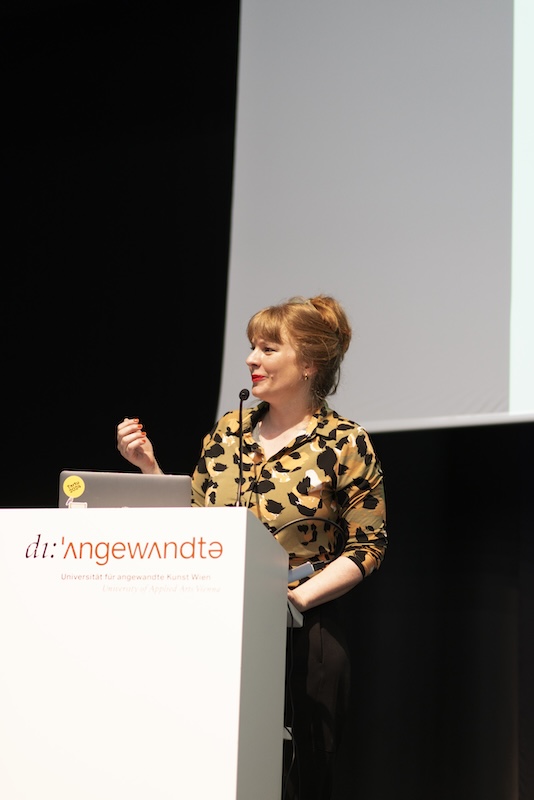
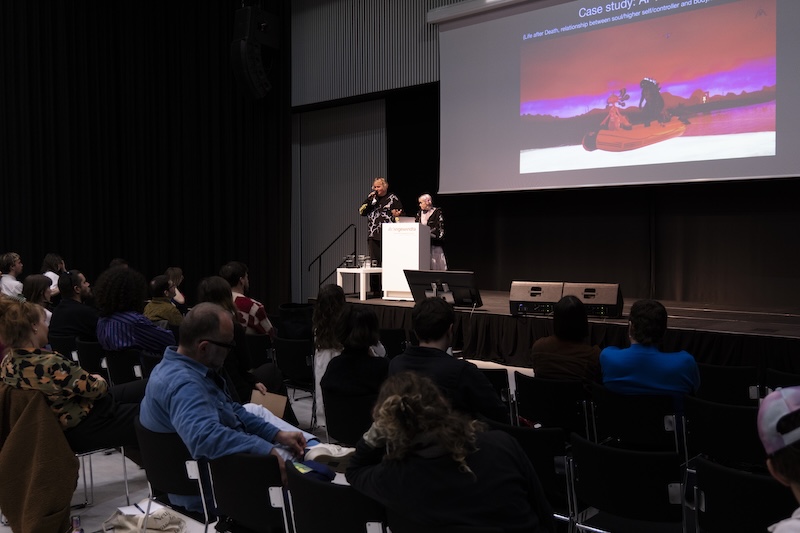
LUDIC METHOD symposium on playthings and the materiality of play
Date: 22.04.2026
Time: 13:00
Location: Auditorium, Vordere Zollamtstraße 7 (VZA7)
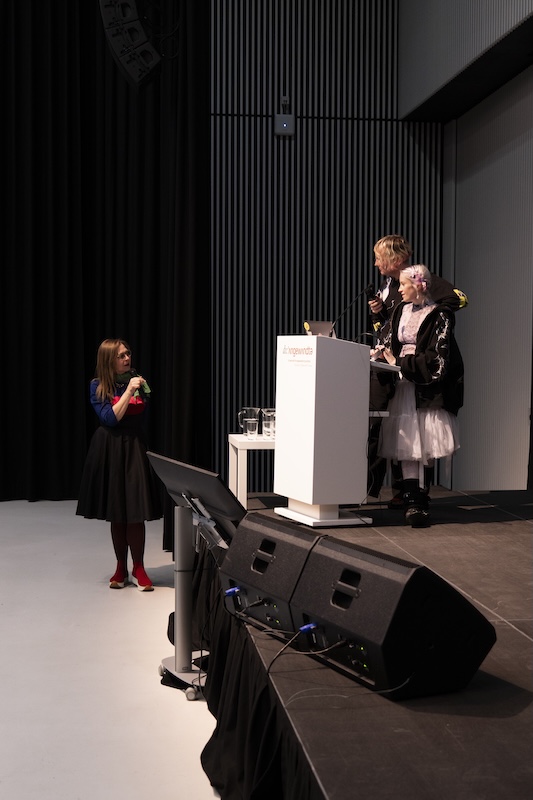
The yearly symposium brings together contributions to the Ludic Method, a principle that is elaborated in Experimental Game Cultures. The event features diverse speakers, who engage in ludic research practice, new insights into cooperative and viable experimental game art, future society dynamics, artistic research, science and epistemic things.
The gap between our childhood bedrooms and experimental systems in artistic research seems big at first, but underlying is a deep desire to engage with our world and our own existence. The LUDIC METHOD puts play as strategy into the center. In this symposium we bring together two topics: Drama and Playthings, which connect the processual, the dimension of agency and small agency in play, new forms of agency beyond the introduced understanding.
Find the program booklet here.
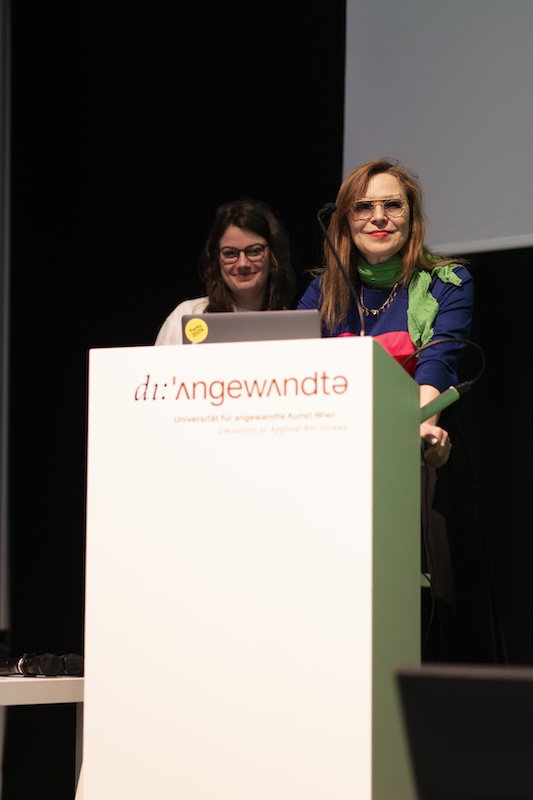
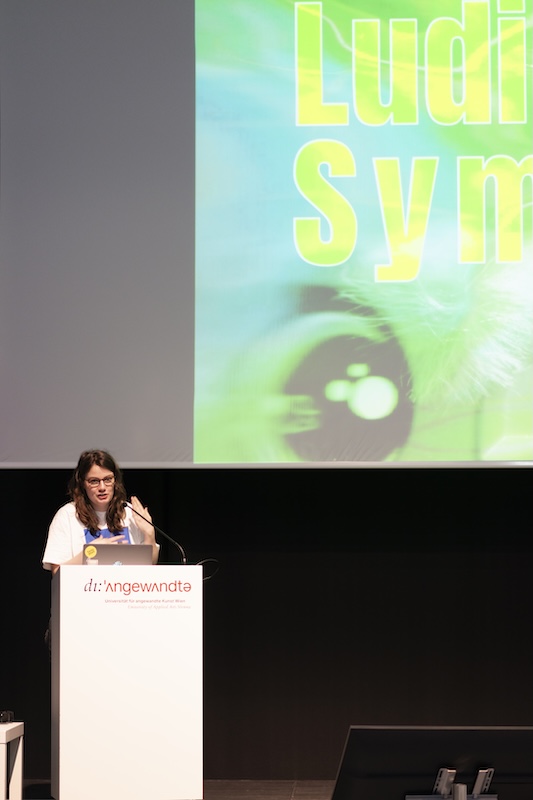
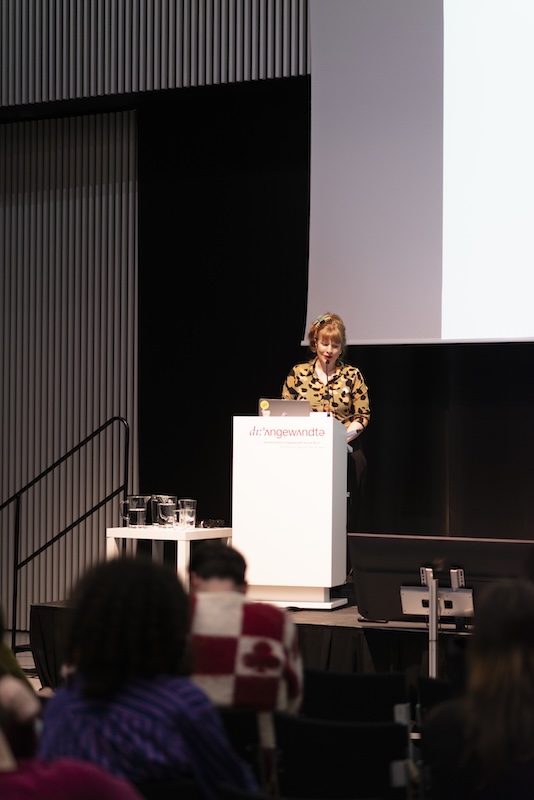
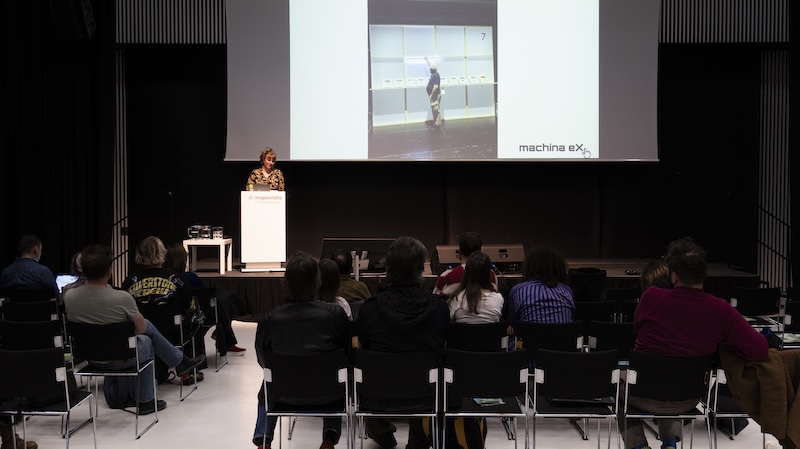
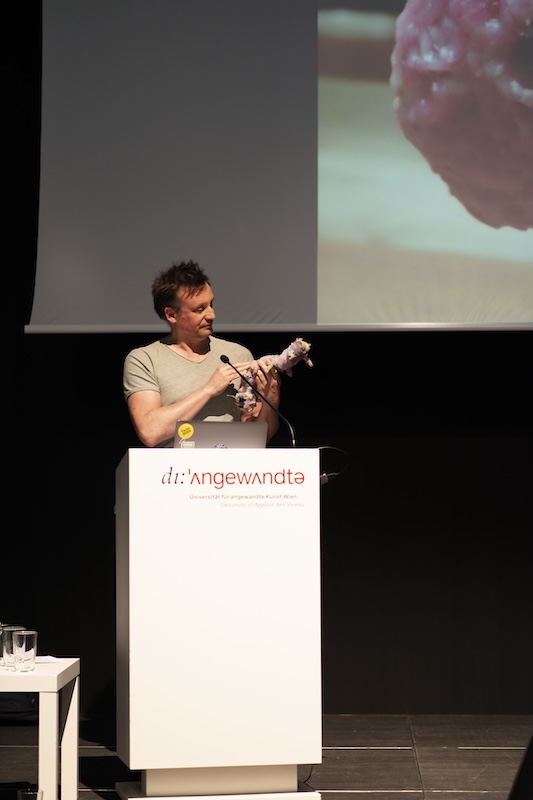
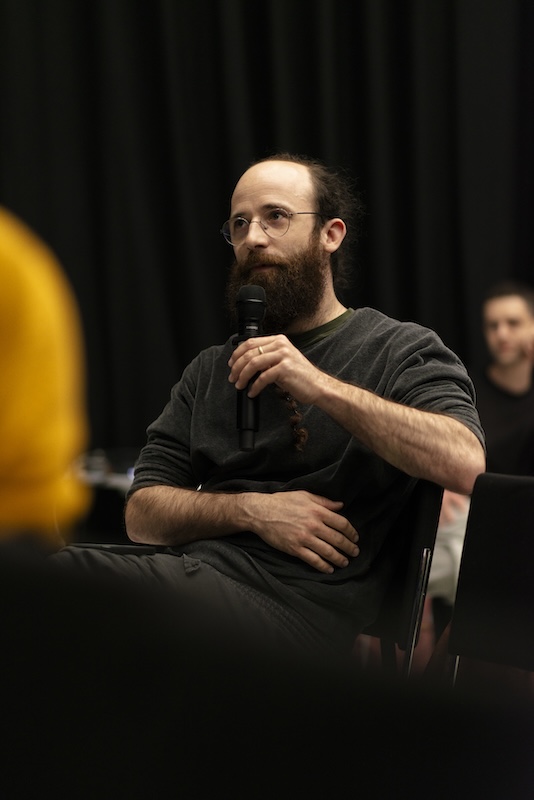
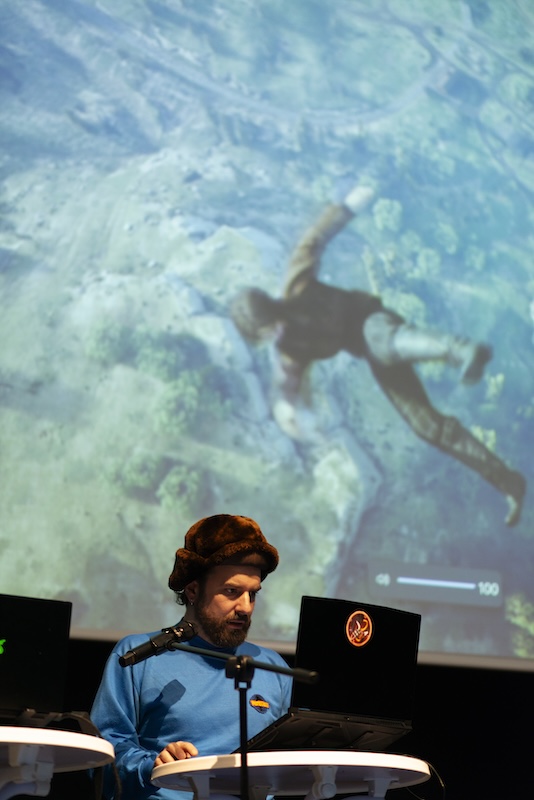
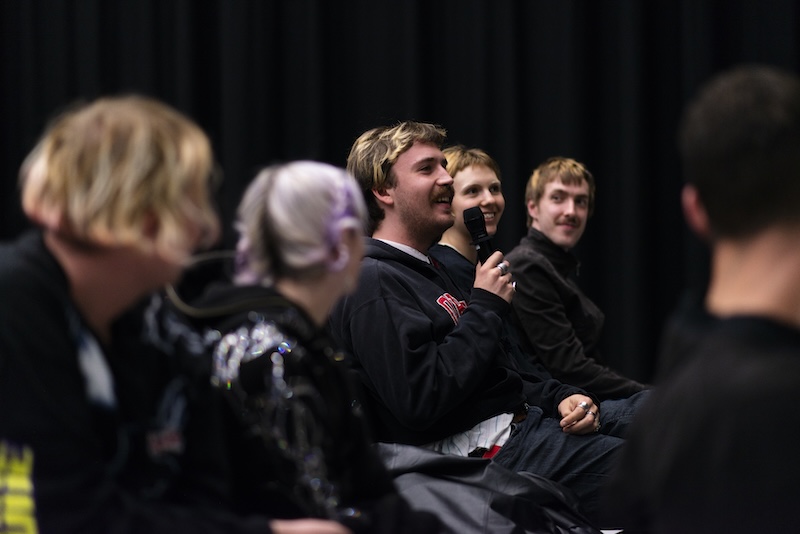
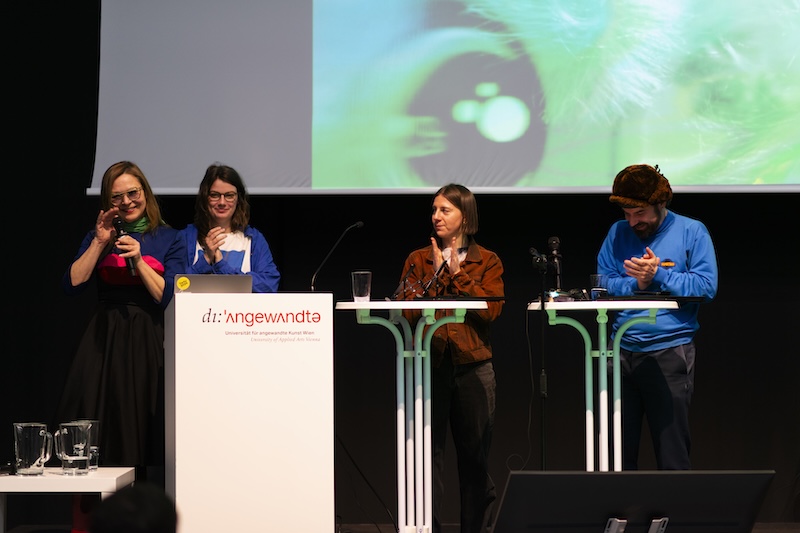
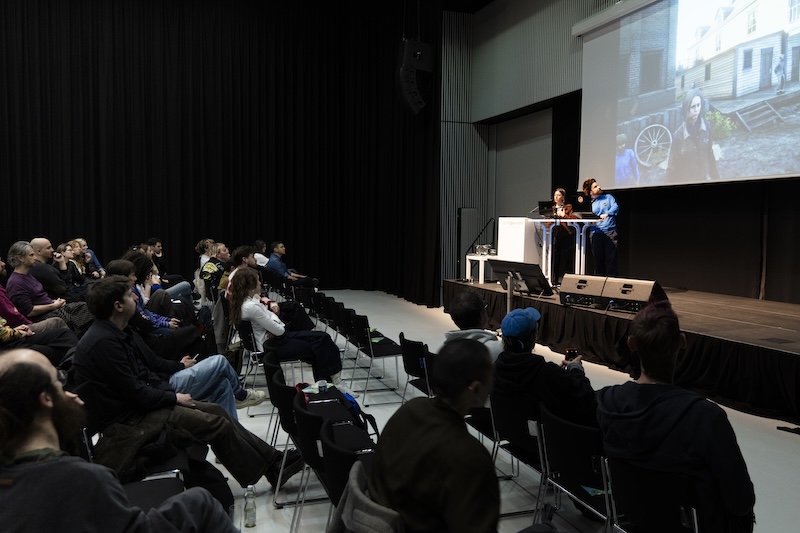
Time Table
| 13:00 - 13:30 | Opening & Introduction Margarete Jahrmann & Clara Hirschmanner |
| 13:30 - 14:15 | Artifacts as Interface: Props and Interaction in machina eX’ Drahtwolken machina eX |
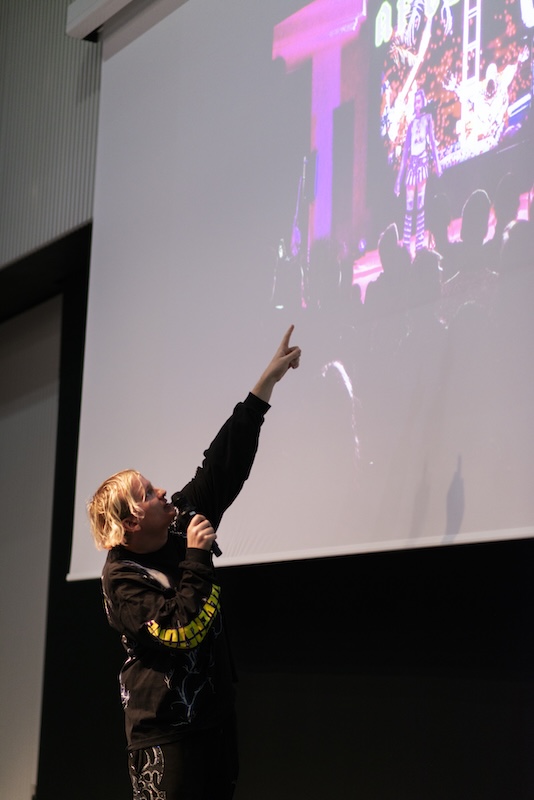
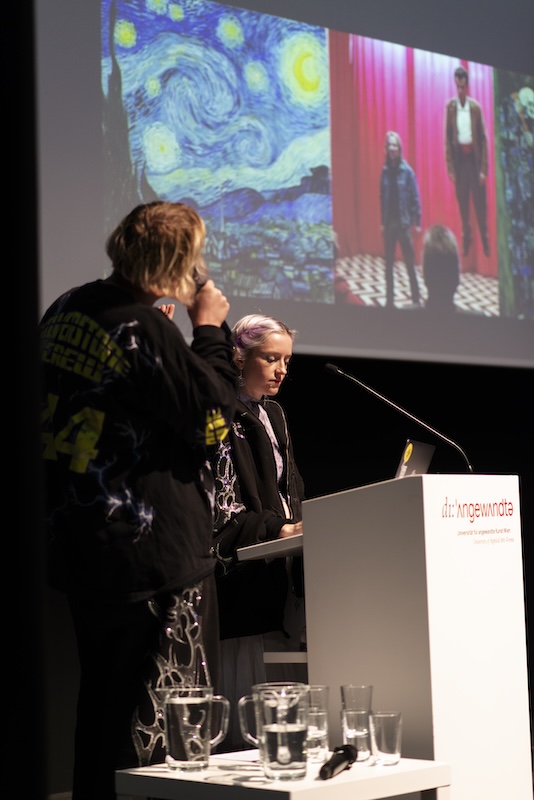
| 14:15 - 15:00 | Building Game Worlds as Artistic Practice and Existential Play Only Slime |
| 15:00 - 15:30 | Break |
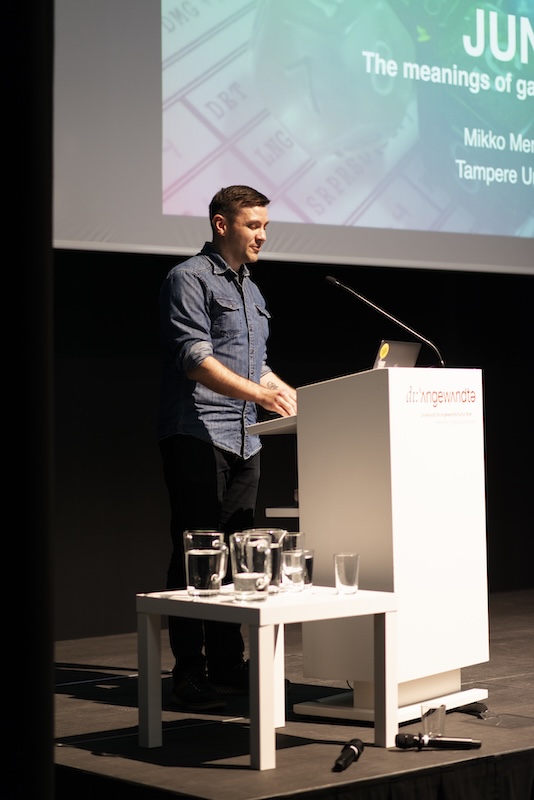
| 15:30 - 16:15 | Art, fantasy, toys, junk: The meanings of gaming miniatures Mikko Meriläinen |
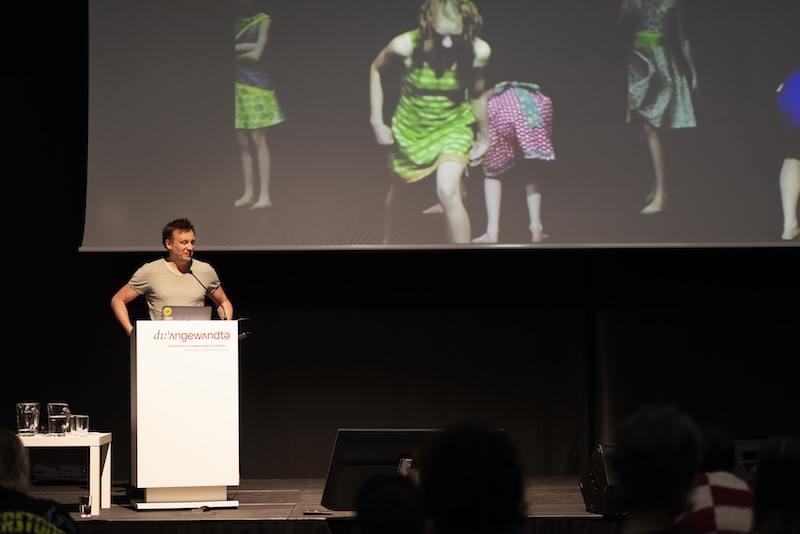
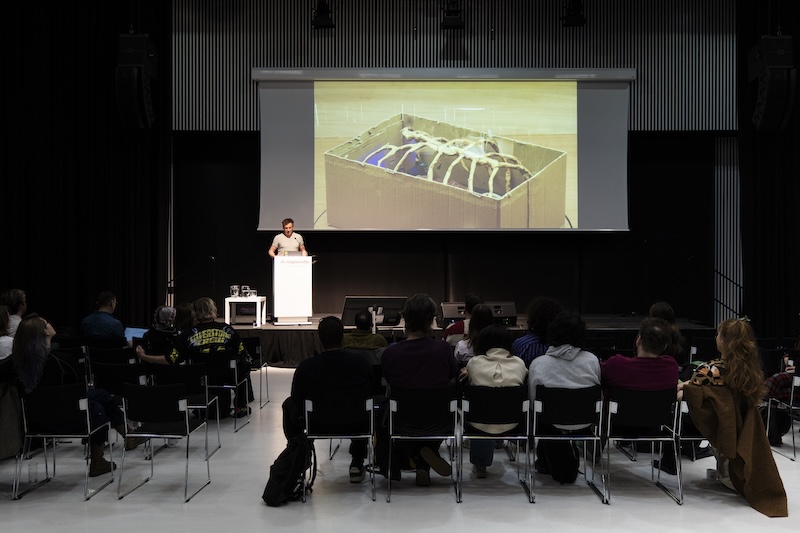
| 16:15 - 17:00 | How to breed and train robot dancers in your basement? Ugo Dehaes |
| 17:00 - 17:15 | Break |
| 17:15 - 18:00 | Noclipping through Corporate Subconsciousness Total Refusal |
| 18:00 - 18:15 | Closing Remarks |
Margarete Jahrmann & Clara Hirschmanner: Opening & Introduction
Ludic Method propagates a new form of agency that is dramatic — but clear, thematizes traumatic contents — but dissolves it, into new realms of a conscious reflection of both, artefacts, playthings and the everyday object of desire, technologies and nature. We discuss, describe and reflect processes and approaches of Experimental Game Arts and Cultures. We elaborate through this method critical play and an idea of DRAMA PLAY relevant for society, that enacts democracy and history, presence and nature.
Ludic insight is caused by an ongoing psychophysical play with discourse objects/artifacts. But what are these objects, and what is the significance of the diverse research questions and topics tackled in experimental art using game mechanics and cultures?
Is it that it allows oscillation between outer space and the inner world? The experience between the physical, the body and the conceptual models we build out of this in our thinking system? And/ or is it the possible shift between players, artists, those who design the rule sets and artefacts and those who enact and activate these objects?
An artistic research approach on play, understood in this way is to develop new cultural techniques in order to continuously unlearn and re-generate objects to trigger methods of art as research. Research strategies emerge from the arts, technologies, culture and cognitive techniques. Experimental systems designed as performative practice and installations are only steps that lead to the next level in ludic method research: to generate artistic artefacts as epistemic objects that enable a sustainable flow of discourse.
machina eX: Artifacts as Interface: Props and Interaction in machina eX’ Drahtwolken.
Lena Vöcklinghaus, member of the Berlin-based collective machina eX, will talk about the use of props in the game theater productions of machina eX. Props play a special role in the artistic practice of the collective: they not only contribute to atmosphere and narrative, but also function as playing devices — objects that can be touched, moved, and interacted with, serving as a crucial interfaces between the players, the room, and the story.
Drawing on the 2025 production Drahtwolken — a play about forced laborers in Nazi Germany, created in Weimar — Vöcklinghaus examines how machina eX deploys props across two registers: as narrative devices that carry and deepen the story, and as playing devices embedded in the game mechanics. The talk provides insight into the dramaturgical and design process of machina eX, as well as into the technologies deployed when turning objects into interactive props.
ONLY SLIME: Building game worlds as artistic practice and existential play
The artist duo ONLY SLIME will share from their artistic practice, building digital and IRL game worlds in their stage pieces and installations, as backdrops and catalyzers for existential play.
Combining strategies and materials from theatre, opera, digital art, electronic music and immersive technologies, such as live motion capture and extensive use of game engines in various artistic contexts, the duo will elaborate on their philosophies of immersion and gamified worlds as contemporary, ritualistic storytelling devices.
The talk will cover various aspects of their day-to-day engagements with technology as worldbuilding- and storytelling tools, the impact of growing up in a hyperconnected age on contemporary social rituals and storytelling formats, and the implementation of compositional thinking in shaping engagement with an audience in an artistic context.
Mikko Meriläinen: Art, fantasy, toys, junk: The meanings of gaming miniatures
In a world with almost limitless digital entertainment available, what is the appeal of physical gaming miniatures - or in other words, toy soldiers? How and why do hobbyists engage with these tiny objects, and what meanings and value are assigned to them? Drawing from both his research and three decades of miniaturing, game scholar Mikko Meriläinen discusses how miniatures are often much more than gaming pieces and considers the value of material play in our digital era.
Ugo Dehaes: How to breed and train robot dancers in your basement?
Belgian choreographer Ugo Dehaes spent nearly two decades creating work for expensive, but also fragile and opinionated human dancers.
When subsidizers started demanding efficiency, cost-cutting, and optimization, he did what any rational artist would do in our neoliberal society: he fired all his dancers to replace them with robots. But without proper investors, Ugo had to breed his own robots in the basement.
In this lecture, Ugo reveals the dirty secrets of the trade: how to hatch slimy cocoons into cute, but utterly dumb caterpillar-like creatures. You’ll get practical tips on robot upbringing, movement training, and the fine art of off-loading unpaid labor onto enthusiastic audiences who think they’re “participating”. Tapping into the "World Wood Web" you can even give some AI to your robots.
The only catch? Once they mastered choreography themselves, even your job becomes superfluous. Efficiency, after all, must be optimized all the way to the top.
Total Refusal: Noclipping through Corporate Subconsciousness
While in most games produced in the 'West,' capitalism defines core mechanics, story, and worldbuilding. Consequently, they tend to reproduce rule-affirmative, militaristic, hypermasculinist, authoritarian meritocracies. This is crucial to discuss, as video games are essential hegemonic machines, and democratic ideologies are rarely channeled into game design. By playing them against type and injecting left theory, Total Refusal explores methods to subvert these hegemonic machines.
Total Refusal is an artists’ collective which appropriates contemporary video games in order to both shed a critical light on their dominant narratives and their political significance as well as to misuse their resources to tell radical narratives that ignore the gameplay mechanics intended by the game developers.
Biografies:
machina eX is a Berlin-based collective exploring the intersection of theater and computer games since 2010. Emerging from the cultural studies program at the University of Hildesheim, the group creates participatory game theater — playable pieces that function simultaneously as walk-in computer games, integrating modern technology with classical illusion theater.
Since its founding, the collective has produced around thirty works for German-speaking and international audiences — mostly for the theater, but also in museums, classrooms, and urban spaces. Starting in 2020, machina eX also began developing online board games and Living Room Adventures. The group maintains close co-production partnerships with HAU Berlin and the FFT Düsseldorf.
Beyond performance, the collective develops open-source software tools for artists and educators, including the software adaptor:ex and the storage management tool dingsda 2mex, both freely available since 2021/22.
ONLY SLIME is a shapeshifting Oslo-based artist duo by Claudia Cox and Tobi Pfeil. Blending theatre, opera, digital art, and immersive technologies, they create genre-fluid performances and installations.
Their signature aesthetic combines autotuned opera, electronica, metal, live mocap and game worlds. In these hybrid landscapes, avatars glitch, forests burn, and queer mythologies emerge. For ONLY SLIME, slime is both symbol and method: elastic, emotional, and radically adaptive.
Since their debut in 2024, ONLY SLIME has toured the acclaimed stage work AFTERLIFE, including performances at Nordic Music Days Glasgow and HAU3 in Berlin. The award-winning stage piece fuses live motion capture with a deep, immersive 3d-game universe.
In 2025 they premiered the fantasy opera DRAGONBLOOD with Ultima Oslo Contemporary Music Festival and The International Fossefestival at The Norwegian Theatre. Their debut immersive mixed media installation based on AFTERLIFE premiered at FACT Liverpool in 2026.
Mikko Meriläinen (PhD) is an academy research fellow at Tampere University's Game Research Lab. His research revolves around the role of games and play in everyday life, and he is currently studying the intersections of men, masculinities, and game culture to find hopeful futures for all three.
Ugo Dehaes started dancing at 18 and, one year later, entered the prestigious P.A.R.T.S. school directed by Anne Teresa De Keersmaeker. In 1998 he joined Meg Stuart / Damaged Goods as a performer.
In 2000 he founded the company kwaad bloed (bad blood) and spent nearly two decades creating a wide variety of choreographies with professional dancers, amateurs, and children. His work often drew inspiration from the human body, science, and our curious behavior in society.
Since 2018 Ugo has shifted his focus from humans to machines. He now works now as a choreographer of things — constructing and training small robots. Alongside several interactive installations, he created the internationally acclaimed performances Simple Machines and Moving Skin.
The pseudo-marxist media guerilla Total Refusal is a collective of artists, researchers, and filmmakers who upcycle the resources of mainstream video games to create political narratives in the form of videos, interventions, performances, and lectures. The collective's themes are informed by critical game studies and social theory in an attempt to promote and popularize a counter-hegemonic left. Their work has been screened at over 400 film and art festivals and exhibited at various spaces. Since their foundation in 2018, Total Refusal have been awarded with more than 70 prizes and honorary mentions.